Be yourself; Everyone else is already taken.
— Oscar Wilde.
This is the first post on my new blog. I’m just getting this new blog going, so stay tuned for more. Subscribe below to get notified when I post new updates.
Be yourself; Everyone else is already taken.
— Oscar Wilde.
This is the first post on my new blog. I’m just getting this new blog going, so stay tuned for more. Subscribe below to get notified when I post new updates.
What skills have I acquired?
Throughout the course, all teachings have been conveyed online, where we have to read all passages and additional information of weekly topics by ourselves. Speaking of which, it has polished my skills of time management and work planning, as I had to organize and prioritize online materials and accomplish the tasks before deadlines. It has made me self-conscious about my own learning process and study plan, in which I had to keep track of my progress all the time, as well as summarizing and jotting down the key points of every topic for writing my blog post.
Better utilizing online resources
In addition, the course has manifested to me how to utilize online resources in the most efficient way. By engaging in the online communities of ELE and MOOC, I have comprehended different ideas and acquired knowledge of digital business within a short period of time, as the texts are comparatively short and precise. Added to that, whenever I came across some abstract or difficult concepts, I would watch the attached videos or website links, where I have been able to better understand the theories behind. Thus, I have learnt how to unravel some puzzling or confusing ideas by making good use of different online resources.
Writing and commenting on blog posts
In essence, I have learnt about how to write a captivating blog post and appropriately comment on others. Before taking this course, I have never started my own blog or developed a habit of reading informative and academic blog posts. Yet, this course has taught me how to meticulously outline a blog post and add in engrossing details, such as videos from YouTube or images, which I have acquired the skills of searching and screening for suitable materials online for others to better explain my own ideas. On top of that, the course has also given me ideas of how to comment on other’s blog posts – expressing my feedback and offering opinions with academic reference.
Link of review video: https://youtu.be/bZE8NuGaWUg

Introduction of Tesla, Inc.
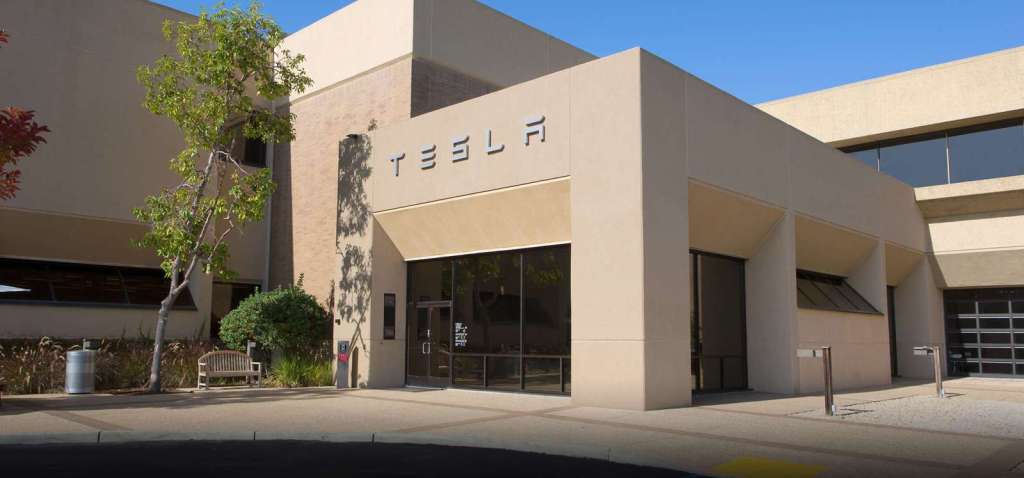
Tesla, Inc. is an electric vehicle (EV) and clean energy company based in America, which it initially specialized in battery energy storage and manufacturing EVs, and successfully expanded its business into solar panel and roof tile production. In midst of stiff competition among automotive manufacturers, Tesla’s co-founder and CEO, Elon Musk has taken his company to a whole new level of innovativeness and digitality by wholly embracing digital transformation and adopting a disruptive business model.
In the era of technological breakthrough, crowdsourcing has become increasingly common among corporations to utilize data and leverage all resources to their own advantage. Its practice basically involves acquiring information and work through data collection via the Internet or social media, in order to accelerate the organization’s progress in innovation and problem-solving. In light of this, Kleeman et al. (2008) stated that crowdsourcing is a form of integration of users or consumers in internal processes of value creation, with the intention of animating individuals to make a contribution to the firms’ production process for free or significantly less than that contribution is worth to the firm.
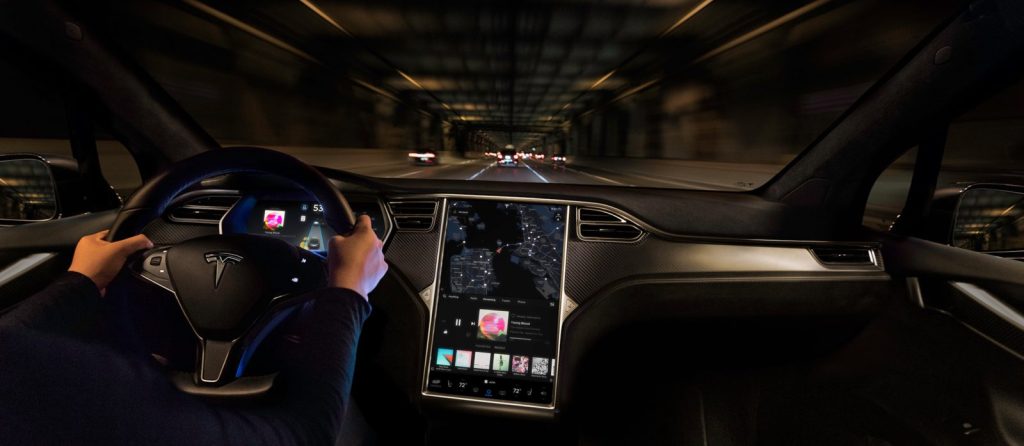
Capitalizing on crowdsourcing, Tesla has been collecting data from its vehicles and drivers through the internal and external sensors, like the tracking system and steering wheel (Marr, 2018). All the data are utilized to refine its system by generating data-oriented maps and establishing an extensive network of Tesla vehicles; on top of that, this approach helps to gather drivers’ data of driving patterns for advancing its AI technology and machine learning model, where Tesla has developed innovative features of “Autopilot” and “Full Self-Driving Capability”, with the ultimate aim of creating fully self-driving autonomous cars in the near future.

Digital Marketing and Retailing
Different from the conventional marketing approach in automotive industry, Tesla has been orienting its promotion to social media platforms, such as Twitter, where customers can freely interact with the company and directly communicate with its CEO. This newfangled marketing model has been successful in retaining old customers and attracting new customer segments, as well as gaining overwhelming attention from the media. It is also noteworthy that Tesla’s advertising spend is less than $6 per vehicle, considerably lower than that of other manufacturers (Venters and Sorensen, 2020). Based on this approach, it is seen that Tesla has been actively utilizing digital platforms to publicize its new products with the minimal expenditure and maximal marketing effects.
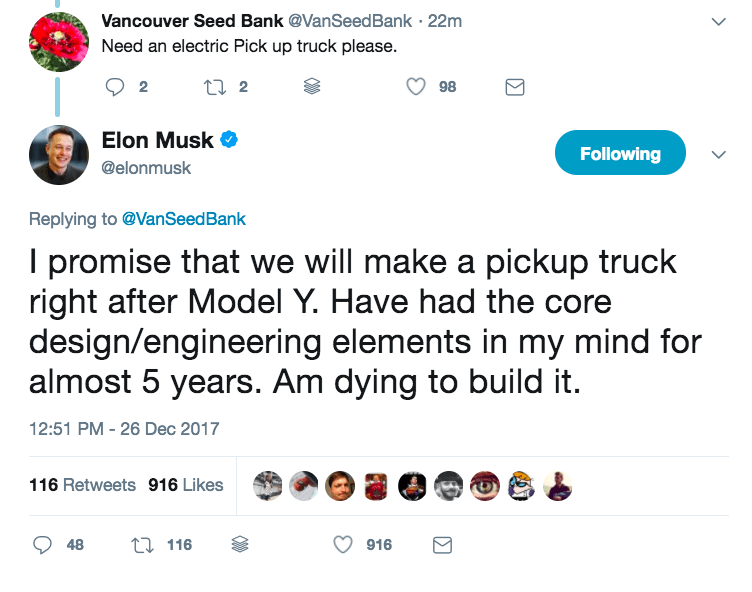
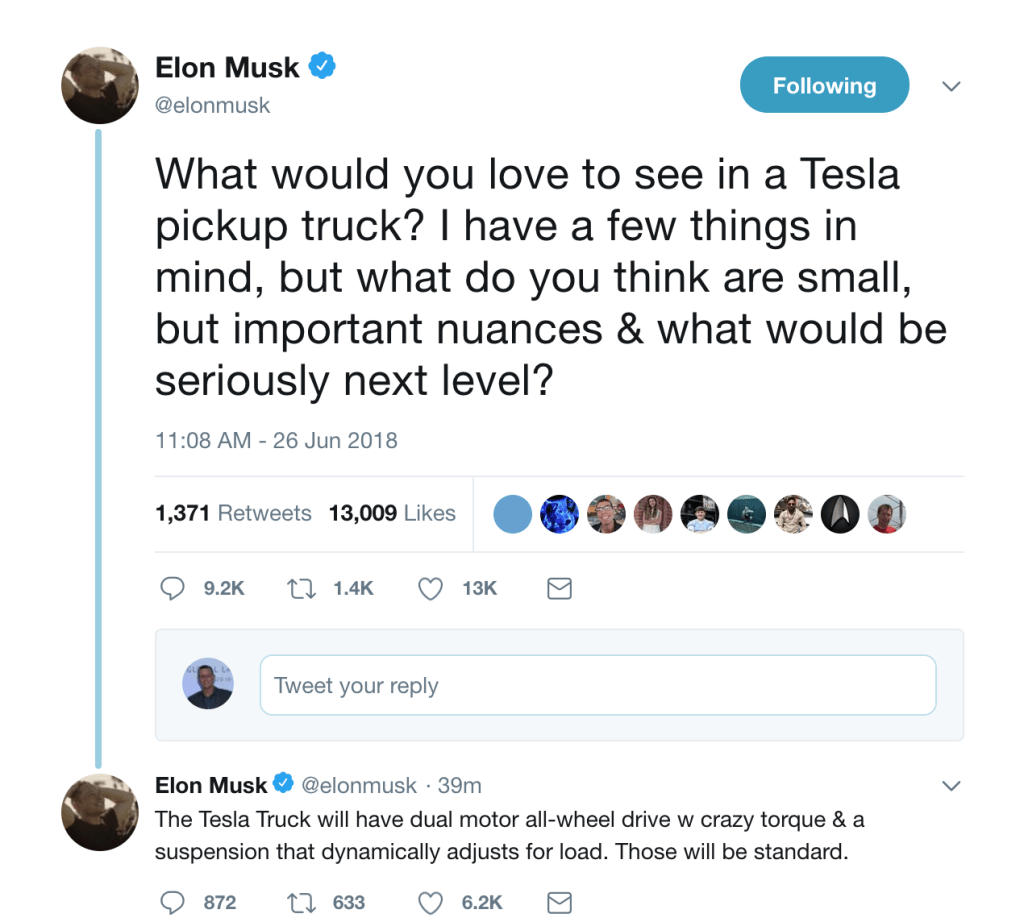
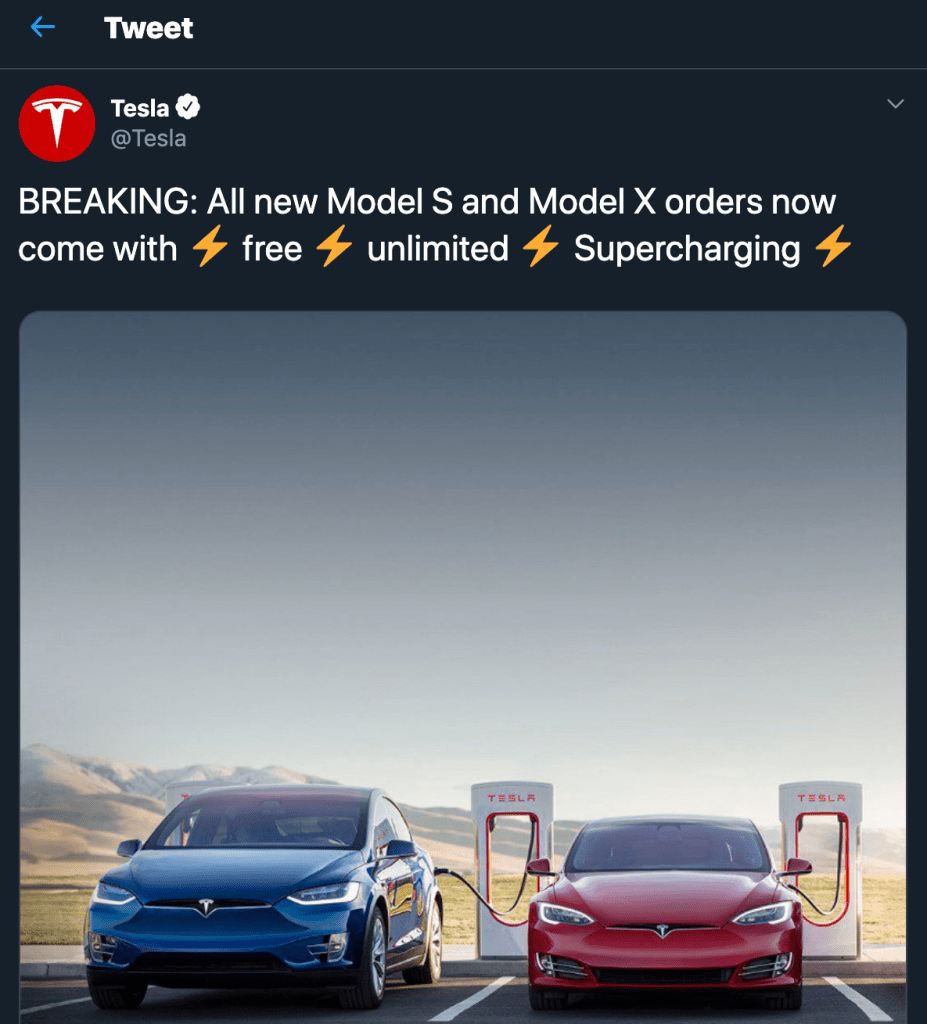
Apropos of Tesla’s distinct retailing strategy, Chen and Perez (2017) propounded that it has adopted a multi-channel model of both online stores and retail outlets, where customers can choose to directly purchase their vehicles online or at its own branded stores. On its official website, customers can freely select and customize their favored vehicle models by going through the following process:

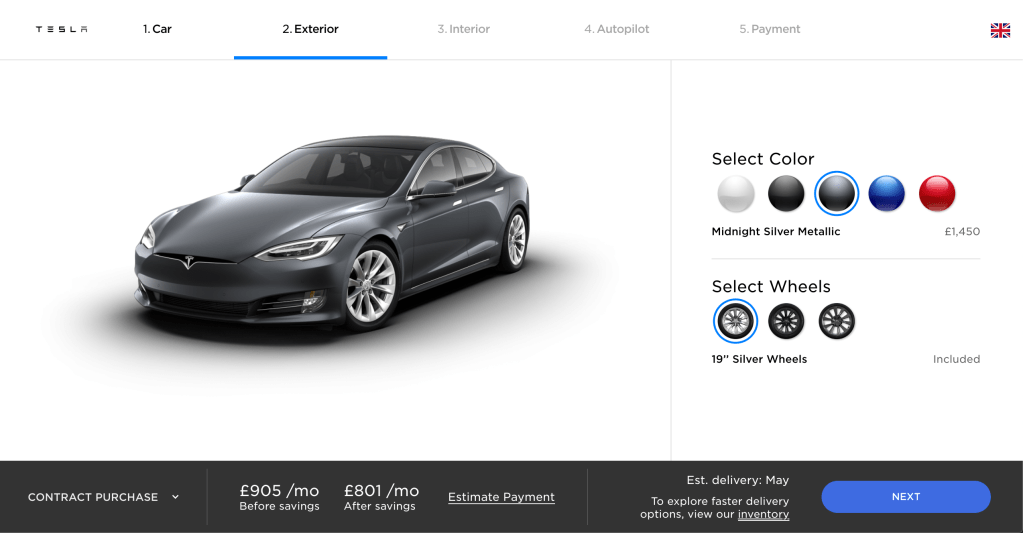
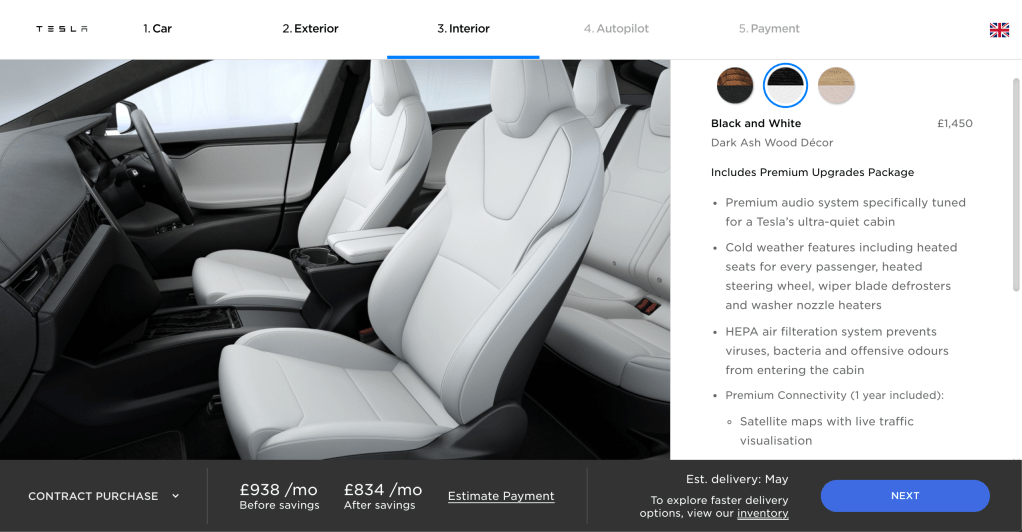
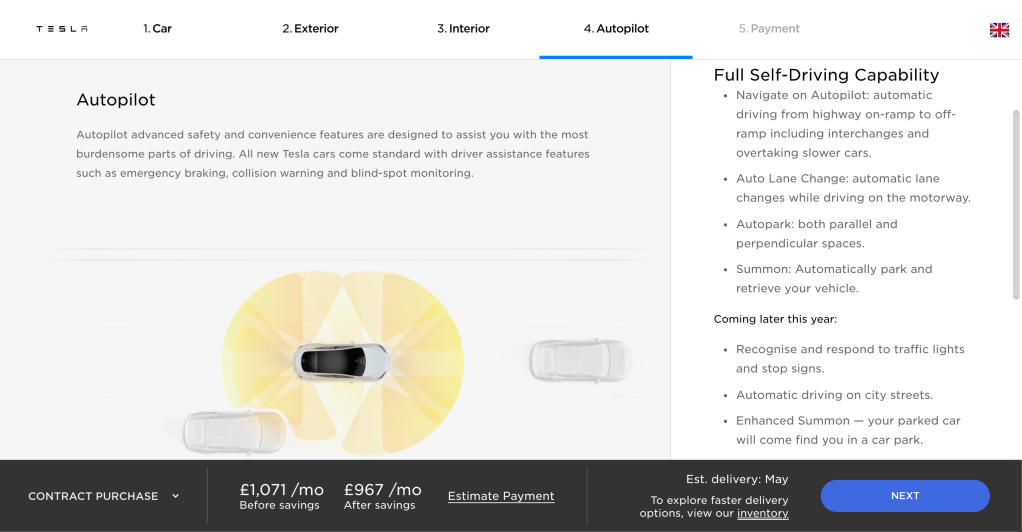
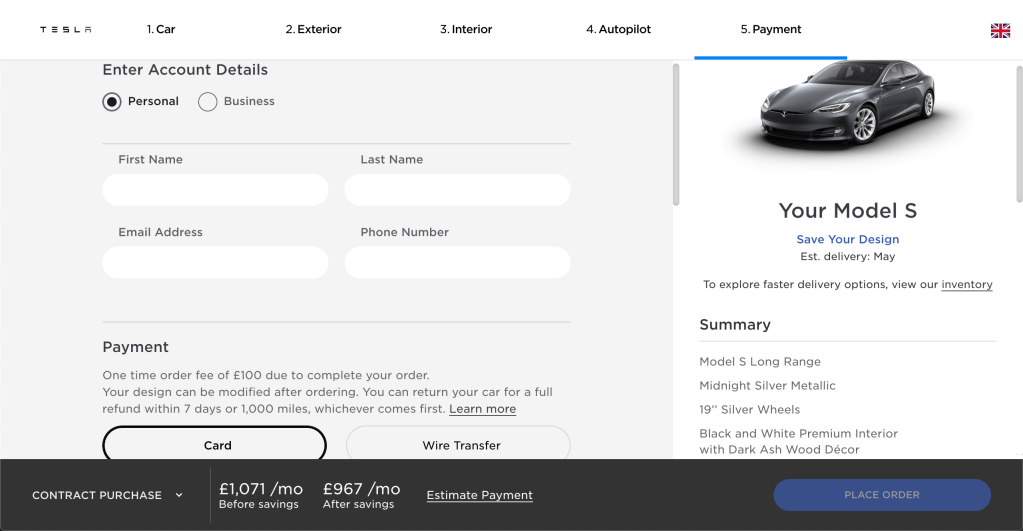
Through this online distribution model, Tesla does not have to spend extra money on car dealership with traders and all sales revenue is directly going into its account. In 2019, Tesla announced to be shifting most sales to online, with a reduction in number of physical showrooms and sales staff, leaving only few left as galleries and information centres. Meanwhile, customers can also complete their purchase on computers at company stores. As Lavietes (2019) asserted, consumer advocacy groups regarded this act as “consumer-friendly” by discarding the role of dealers and handing more control over to consumers. Likewise, technological experts also favored this model by considering it as strongly competitive long-term strength. In a nutshell, the online-oriented model does not only attain higher revenue and trim enormous amount of sales labor costs, it also brings an inclusive and disruptive experience of designing and creating their very own unique cars to customers.
Digitizing Products and Services
As one of the innovative leaders in automotive industry, Tesla has been consistently digitizing its products through installing sophisticated device and setting network connection inside its vehicles. In specific, Tesla has been way ahead in the “infotainment” race of which it has provided a basket of in-car entertainment services for the users. For instance, the dashboards inside its cars provide access to Spotify, Netflix, Hulu and YouTube accounts, as well as various arcade games. Speaking of which, Butler (2019) distinguished Tesla’s infotainment system from other manufacturers’ in which Tesla develops and possess its own system, whereas others are in collaboration with third-party platforms, hinting at another possible source of income for Tesla.
In addition to the infotainment system, Tesla also developed its own mobile app for users to remotely control and monitor their cars, with features like keyless driving, range distance, climate control and GPS location, providing all-embracing services to its users.
Future of Tesla, Inc.
In spite of its pioneering ideas and products that enlist devoted support from its users and draw media attention, Tesla has been having inauspicious performance in its finance for the past few years, as the company has not been generating net profit on yearly basis for the past few years. Although this has raised concerns among its users and investors, its ingenious and trendsetting model has undoubtedly expanded its base of loyal customers and become the exemplar within the automotive industry.
At the moment, the future of automobiles is still erratic, whether electric cars will be gradually replacing the conventional ones, or most production lines of vehicles will be automated by robotic technology. However, one thing is absolutely certain – Tesla is at the cutting edge of manufacturing electric vehicles and it has brought a new wave of digital disruption to the industry.
What is your thought on Tesla’s digital business model? Do you think that it is effective for sustainable development or is there any area that Tesla can do better in order to stay invincible as a leader in electric car industry?
Reference:
Boudette, N. E. (2018, Jun 30). Inside Tesla’s Audacious Push to Reinvent the Way Cars Are Made. The New York Times. Retrieved from https://www.nytimes.com/2018/06/30/business/tesla-factory-musk.html
Butler, C. (2019, Nov 23). Tesla’s plan to leave the auto industry behind on in-car infotainment. CNBC. Retrieved from https://www.cnbc.com/2019/11/23/teslas-plan-to-leave-auto-industry-behind-on-in-car-entertainment.html
Chen, Y., & Perez, Y. (2018). Business model design: lessons learned from Tesla Motors. In Towards a Sustainable Economy (pp. 53-69). Springer, Cham.
Design Your Model 3 Tesla. Retrieved from https://www.tesla.com/en_GB/model3/design#battery
Kleemann, F., Voß, G. G., & Rieder, K. (2008). Un (der) paid Innovators. The Commercial Utilization of Consumer Work through Crowdsourcing. In Science, Technology & Innovation Studies 4 (1), с. 5-26.
Lavietes, M. (2019, Apr 4). Tesla’s move to online sales gives customers what they want: No car salesman. CNBC. Retrieved from https://www.cnbc.com/2019/04/05/tesla-online-sales-gives-customers-what-they-want-no-car-salesman.html
Marr, B. (2018, Jan 8). The Amazing Ways Tesla Is Using Artificial Intelligence And Big Data. Forbes. Retrieved from https://www.forbes.com/sites/bernardmarr/2018/01/08/the-amazing-ways-tesla-is-using-artificial-intelligence-and-big-data/#2e2ae3824270
Venters, W., & Sorensen, C. Driving Digital Transformation at Tesla. Retrieved from https://www.thefuturefactory.com/blog/tesla

Trend of digital economy
Over the past decade, our lives have been tremendously transformed by advancement in digital technologies, hence business transactions and services have become increasingly reliant on digital tools like digital database, artificial intelligence (AI), social media and e-commerce platforms. The global economy has shifted from conventional way to digital-oriented operation, where Tapscott (2014) distinguished the old economy and new economy by their information flow, as the former one has physical flow with cash, checks, invoices and face-to-face meetings and the latter one has digitalized all forms of information with the use of computers and networks. Under the continual evolution of digital economy, United Nations Conference on Trade and Development (2019) identified digital data and platformization as the two main drivers behind its rapid growth, which are also factors behind the immense change in job roles.
Speaking of which, some business functions have been replaced by digital intelligence and job roles are reshaped by the latest trend of digital economy, such as the work of human resource personnel. Can you think of the major roles of HR personnel and how are they being transformed?
Digitalization of HR function
Moving onto the “digital era”, the role of HR function is predominantly changed by information technology, which improves and fastens HR administrative, operational and decision-making processes (Turulja and Bajgorić, 2016, as stated in Steijn and Van Den Muyzenberg, 2012). Across small-scale, medium-sized and multinational organizations, human resource personnel have started adopting tools of AI technology like Pymetrics Beta, PayScale and reviewsnap for recruitment and training, as well as using digital platforms like LinkedIn, Glassdoor and careerbuilder for talent acquisition. For instance, 26% and 22% of organizations use robotics and AI respectively, according to a survey by Deloitte (2019).

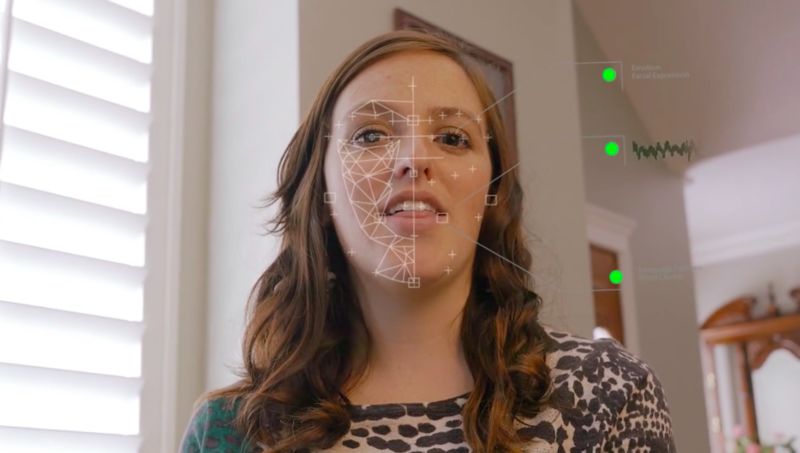
As Amladi (2017) evaluated, HR executives started using data analytics to identify critical trends and predict the rate of success of perspective hires, along with using algorithms to analyze and identify high-performing workers’ characteristics for future recruitment processes. Furthermore, manual works of recruitment and payroll are also being automated with the use of systems for digitalizing and searching job applications, employee portals and onboarding. In particular, multinational organizations like Unilever, Vodafone, Singapore Airlines and Intel, bought software from tech companies and developed AI-based systems to evaluate candidates’ video interviews by scanning their facial expressions, body language and word choice, replacing the conventional role of human recruiters (Booth, 2019).
Besides the digital tools, organizations have been utilizing various digital platforms for both internal and external uses, transforming the way of communication between HR personnel and other employees, as well as the processes of talent acquisition. Williams (2017) conducted a survey on the digital transformation brought by social media and found that 69.77% of respondents’ organizations in the US used social media as a recruitment tool, where a majority of them used Facebook and LinkedIn. Likewise, Almog (2018) asserted that 80% of engineers with Ph.D.s. are being looked up through Google and Facebook, showing that HR professional have been extensively using social platforms to search for ideal candidates instead of the old manual way of publishing advertisements or hiring headhunters. On top of facilitating recruitment processes, Hauptmann and Steger (2013) also stated other advantages of social media to HR management, “facilitating personnel recruitment, promoting learning processes on an individual, team, and organizational level, and enhancing community building and a trustful organizational culture through open communication”, by which social media has helped HR personnel to strengthen internal bonding by providing instant online communication and easier collaboration among workers.
Future of HR personnel
With the flourish of digital intelligence, various digital tools and platforms will become more accessible and affordable at the organizational level, hence it is likely that HR personnel will become more contingent on digital technology. Speaking of the future of human resources, Almadi (2017) noted the importance of “Millennials” – the younger tech-savvy generation, as they will make up about 75% of American workforce by 2025, which means that our future job market and economy largely depend on them, and it is ineluctable that organizations have to adopt different innovations and technologies, in order to recruit, retain and collaborate with them.
Furthermore, an increasing proportion of HR job roles like providing training, managing pay and benefits, and recruiting staff, are likely to be automated and replaced by emerging technologies, such as artificial intelligence, big data analytics, digital operating model and cognitive solutions. Nevertheless, it is still erratic whether HR personnel will be largely or completely dismissed from their positions in the future, however, as stated in the report of McKinsey Global Institute (2017), automation does not necessarily imply loss of jobs, but indicates the needs of acquiring new skills. In my opinion, it is highly possible that the role of HR personnel will be shifted from doing complex administrative work to overseeing automated processes and digital systems.
This is an example post, originally published as part of Blogging University. Enroll in one of our ten programs, and start your blog right.
You’re going to publish a post today. Don’t worry about how your blog looks. Don’t worry if you haven’t given it a name yet, or you’re feeling overwhelmed. Just click the “New Post” button, and tell us why you’re here.
Why do this?
The post can be short or long, a personal intro to your life or a bloggy mission statement, a manifesto for the future or a simple outline of your the types of things you hope to publish.
To help you get started, here are a few questions:
You’re not locked into any of this; one of the wonderful things about blogs is how they constantly evolve as we learn, grow, and interact with one another — but it’s good to know where and why you started, and articulating your goals may just give you a few other post ideas.
Can’t think how to get started? Just write the first thing that pops into your head. Anne Lamott, author of a book on writing we love, says that you need to give yourself permission to write a “crappy first draft”. Anne makes a great point — just start writing, and worry about editing it later.
When you’re ready to publish, give your post three to five tags that describe your blog’s focus — writing, photography, fiction, parenting, food, cars, movies, sports, whatever. These tags will help others who care about your topics find you in the Reader. Make sure one of the tags is “zerotohero,” so other new bloggers can find you, too.
 Jacqueline's blog